

The Chainsaw Principle

Updated: Mar 5
Why Iconic Design Can Save Your Creative Career
(And Why a 5-Year-Old Understood Branding Better Than Most Adults)
“If your art can’t be recognized in silhouette, it won’t survive in the noise. Iconic design isn’t decoration — it’s survival.”
Setting the Stage
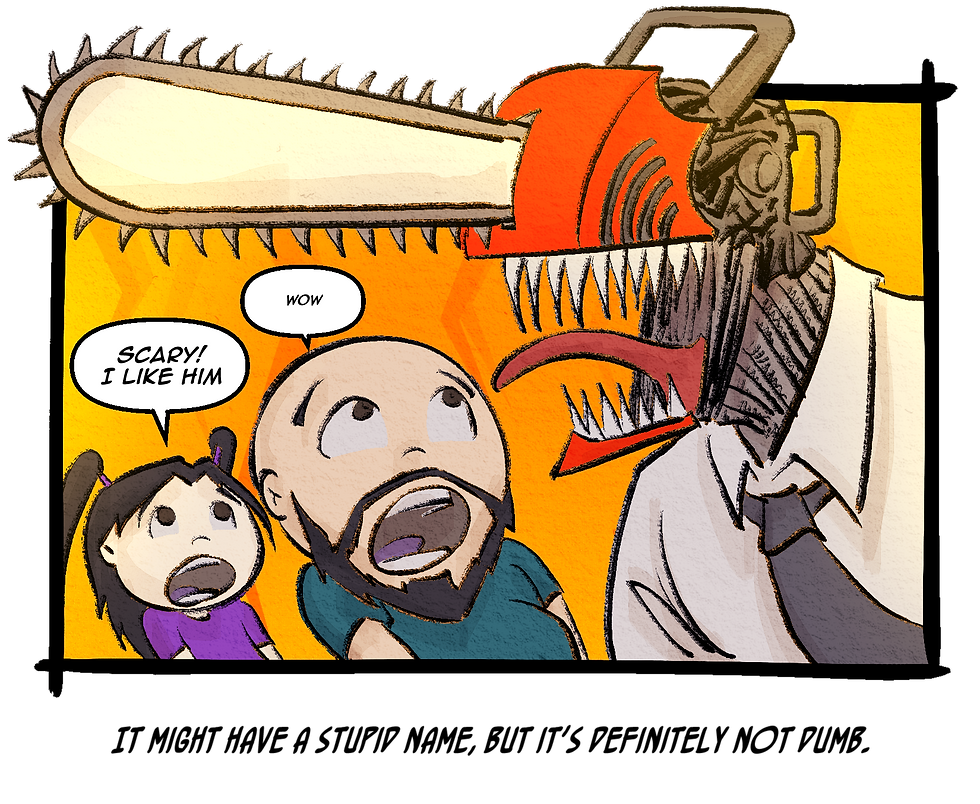
One night, my 5-year-old and I were talking about demons. You know… normal bedtime conversation. I told her demons are evil. They eat babies. Classic scary stuff. Then she suddenly said: “But Daddy… what about the demon with the chainsaw head? He’s scary… but I like him.” I paused. Chainsaw head? Then it hit me. “You mean Chainsaw Man?”

Yes. That one. And here’s the funny part. He’s the protagonist. He’s technically the good guy. And absolutely not for kids. Yet somehow… kids recognize him. And they like him. That moment made me realize something powerful about art, design, and survival in today’s creative industry.
Why Iconic Design Wins (Even When Logic Says It Shouldn’t)
Here’s what most creatives get wrong: They think art is about complexity. It’s not. It’s about clarity. Chainsaw Man works because of one undeniable truth: Silhouette. If you black him out completely, you’d still recognize him from a mile away. Chainsaw head. Blades for arms. Wild posture. Instant recognition. And recognition is currency.
Now here’s the contradiction that should make you uncomfortable: He’s not meant for children. Yet children are drawn to him. Why? Because horror visuals have always fascinated kids. Vampires. Zombies. Aliens. Even when I was young, I was obsessed with monsters. Especially aliens. They mostly come out at night. There’s something primal about striking design. It bypasses logic and goes straight to emotion.
Kids don’t logically analyze a character’s demographic targeting. They respond emotionally. Most adults say, “Art isn’t important.” Yet they buy brands with strong logos. They wear recognizable shoes. They stream shows with iconic posters. Design influences behavior, whether people admit it or not. And as someone who has worked in comics, IP development, and illustration, I’ve seen this mistake firsthand.
You can have:
A great story
Deep lore
Complex character arcs
But if your design doesn’t punch through visual noise? You’re invisible. And in the AI-saturated era of infinite content? Invisible is death.
The Hard Truth for Creators
If your character:
Blends into a crowd
Has no distinct silhouette
Feels visually generic
Then no amount of marketing will save it. Branding begins with design. Even non-art enthusiasts respond to strong visual identity. They may not articulate it. But they feel it. And feeling drives action.
THE SOLUTION — The Chainsaw Principle
I call this:
The Chainsaw Principle
If your creation can’t be recognized in silhouette… It’s not finished. Here’s how to apply it to your work:
1. Design for Silhouette First
Before details. Before color rendering. Before lore. Black it out. Can you recognize it instantly? If not, simplify.
2. Create Visual Anchors
What is the one outrageous element?
Chainsaw head
Giant sword
Distinctive mask
Impossible proportion
Memorable beats safe.
3. Build Emotional Hooks
Ask: What feeling hits first? Fear? Curiosity? Power? Mystery? If there’s no emotional trigger, there’s no memory imprint.
4. Design for Dual Readership
Here’s the dual readership principle:
Kids respond emotionally.
Adults justify logically.
Your design should attract instinctively… then make sense intellectually. That’s how iconic characters survive decades.
5. Remember: Art Is a Business Weapon
Design isn’t decoration. It’s positioning. It’s differentiation. It’s market survival. In an era where AI can generate infinite generic characters… the only way to stand out is to design something so clear, so bold, so emotionally striking… it cannot be ignored.
BEFORE & AFTER
Before: I thought my daughter just liked something scary.
After: I realized she instinctively recognized iconic design.
Before: I saw a kids-misunderstanding moment.
After: I saw a masterclass in branding.
Before: It was just a demon with a chainsaw head.
After: It became a reminder: Iconic design outlives trends.
Final Thought
Most people say art isn’t important. But they follow symbols. They worship logos. They buy characters. Design moves culture. And sometimes… a 5-year-old will remind you what truly works better than any marketing seminar.
The Impact of Iconic Design on Careers
Understanding the Importance of Design
Iconic design is not just a trend; it is a necessity. In a world filled with distractions, standing out is crucial. A well-designed character or brand can make all the difference. It can elevate your work and ensure it reaches the right audience.
How to Cultivate Iconic Design
To cultivate iconic design, immerse yourself in the world of visuals. Study successful brands and characters. Analyze what makes them memorable. This will help you understand the elements that resonate with audiences.
The Future of Design in the Creative Industry
As technology evolves, so does design. Embracing new tools and techniques can enhance your creative output. Stay updated with trends, but remember to prioritize clarity and emotional impact. This balance will ensure your work remains relevant.
Conclusion
In conclusion, iconic design is essential for survival in the creative industry. It transcends age and demographics. By focusing on clarity, emotional resonance, and strong visual identity, you can elevate your work and ensure it stands out in a crowded marketplace.
Subscribe to our newsletter:
Product Links:
#thescribblemedia #indiebasedstudio #animation #comics #webtoon #webcomics #services #platform #illustrationservices #computer #freelance #comicsandmanga #filipino #bisaya #bisdak #clipstudiopaint #clipstudio #clip #studio #ipadpro #tutorial #beginner #tips #videotips #newsletter #inspiration #art #creativedad #struggleofacreativedad #artistdad #artisticmomentum #creativehabits #chainsawman



Comments