

Your Booth Isn't a Table. It's the First Page of Your Story.

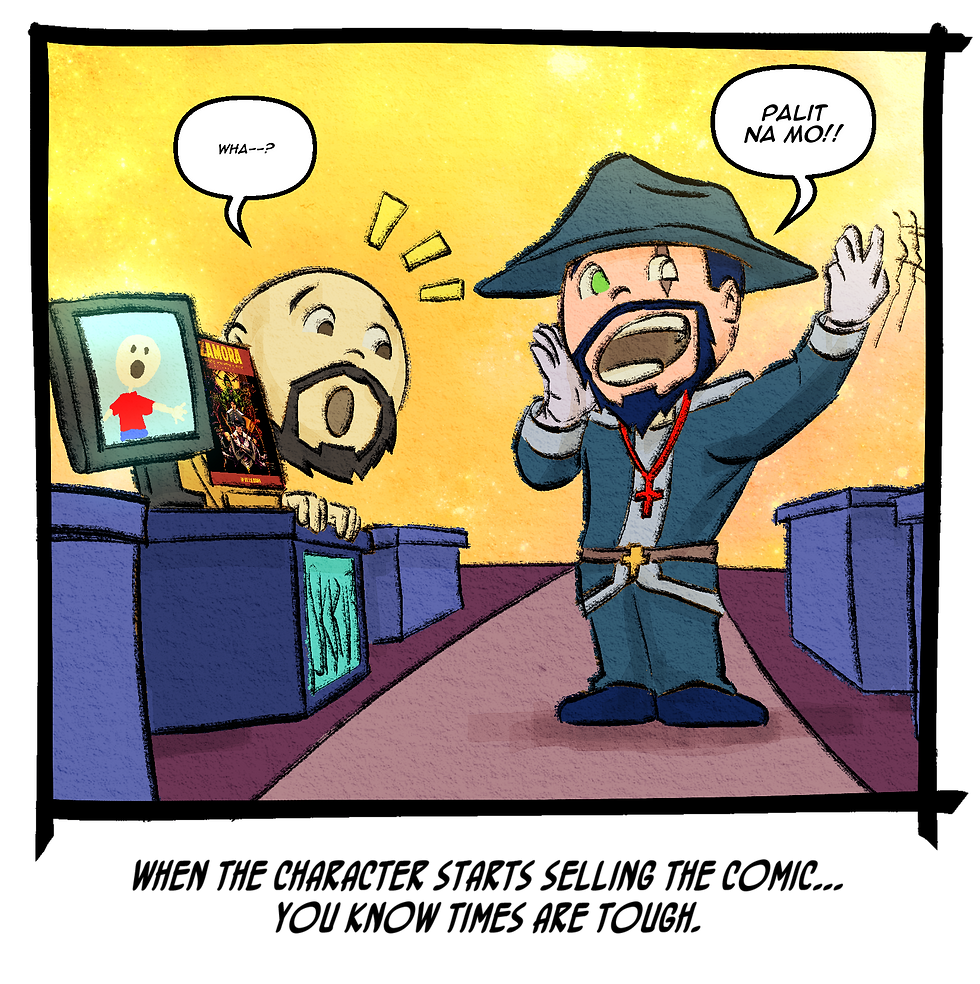
"People don't stop at a convention booth because they see products. They stop because something invites them to imagine a story worth stepping into."
Introduction: Setting the Stage
The closer Cagayanime gets, the less my studio feels like an artist's workspace.
It feels like a command center.
One day I'm visiting one printer to check production updates. The next day I'm talking to another supplier about merchandise. In between, I'm laying out the companion Lorebook, hoping to send it to the printer by next week.
Then there are the stickers.
The sketch cards.
The display materials.
The price tags.
The packaging.
The countless little details nobody notices until they're missing.
And all of this is happening while I continue my day job producing animation for video games.
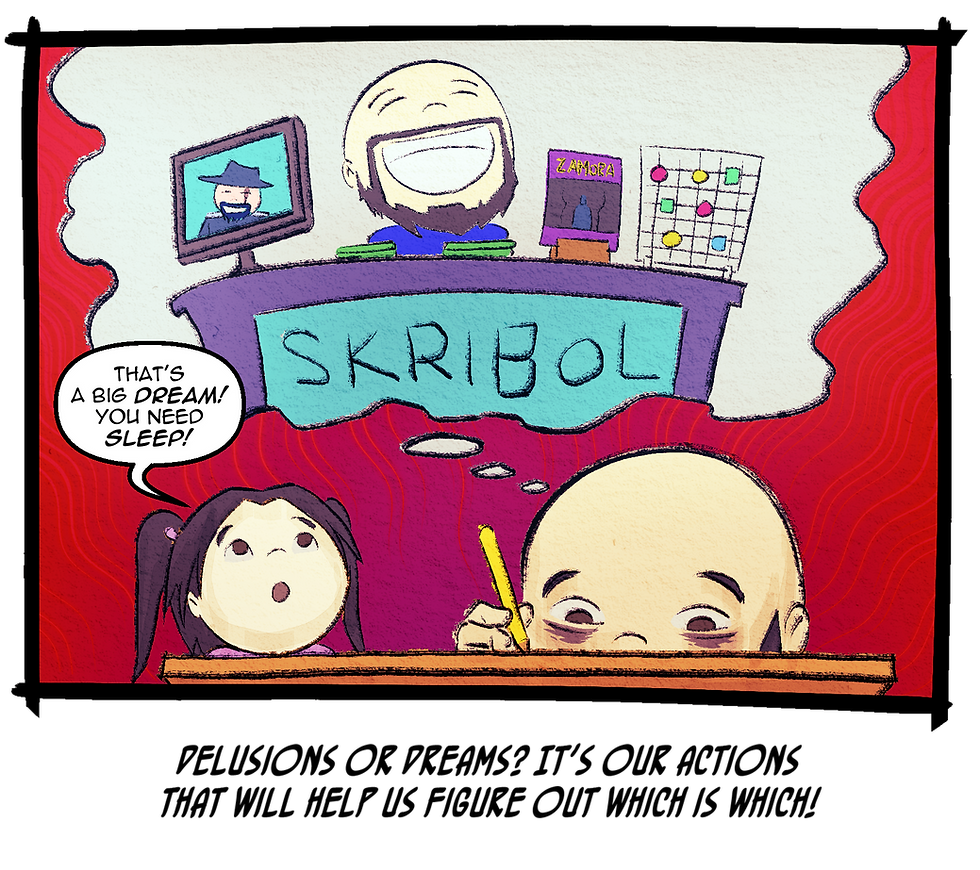
Some days it feels like I'm juggling two full-time careers.
But this week, I realized something interesting.
I'm no longer thinking about how to draw a better comic.
I'm thinking about how someone will experience it before they even touch it.
Because at a convention, your booth tells a story long before you do.
The Deep Dive: The Mistake Most Artists Make
When artists prepare for conventions, we naturally obsess over the products.
Did I print enough books?
Should I make more stickers?
Is the shirt design good enough?
Should I add more merchandise?
Those are important questions.
But here's one we rarely ask.
What does someone see in the first three seconds?
That's usually all the time you have before someone walks past your booth.
Most visitors don't carefully inspect every table.
They scan.
Their eyes move quickly.
They're looking for something that interrupts their momentum.
That's when I realized something.
I'm not simply arranging products.
I'm directing attention.
My booth isn't just storage for merchandise.
It's visual storytelling.
That completely changed how I started planning the layout.
Emotion Commits the Crime. Logic Does the Cover Up.
Artists love believing one sentence.
"If the artwork is good enough, people will stop."
I used to believe that too.
But after researching convention layouts, retail displays, and visual merchandising, I realized something troublesome.
People don't stop because they logically evaluate every booth.
They stop because something catches their attention emotionally.
Curiosity comes first.
Logic comes later.
The comic doesn't create the first impression.
The experience does.
Once someone feels curious, they'll justify staying.
That's the same psychology behind great book covers, movie posters, and storefront displays.
Emotion opens the door.
Logic decides whether to walk through it.
The Reader's Journey Principle
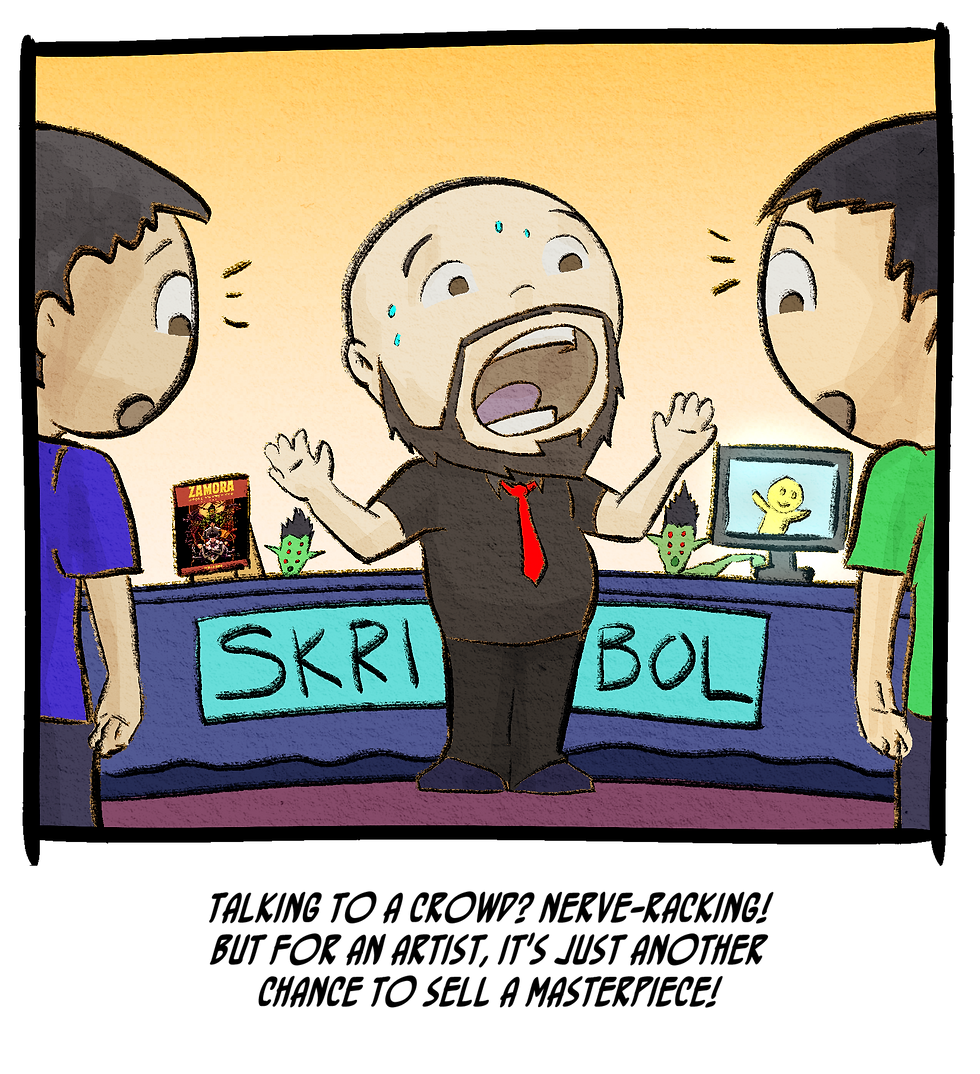
While planning Booth M03, I started thinking less like an artist...
...and more like a museum curator.
I call this:
The Reader's Journey Principle
Every visitor should naturally know where to look next.
Since visitors will enter from the left side of our booth, that's where the journey begins.
The first thing they'll see is a small monitor looping animation reels and studio work.
Movement naturally attracts the eye.
Once their attention shifts downward...
They'll discover Zamora Volume 1 displayed prominently on a comic stand.
That's the hero product.
From there, their eyes naturally move toward the Lorebook.
Then the stickers.
Then the sketch cards.
Then the shirts.
Each product becomes another chapter.
Not random merchandise.
An invitation to explore deeper.
I'm still looking for a wire grid display locally, the kind many convention artists use to maximize vertical space.
If I can find one, it'll allow the booth to breathe instead of feeling crowded.
And if logistics work in my favor...
Maybe my life-size Zamora standee finally gets to leave the studio after years of collecting dust.
Sometimes even forgotten creations deserve another chance to tell their story.

Five Lessons I Learned While Designing My First Booth in Years
1. Design the Experience Before the Display
People don't remember where every product sat.
They remember how easy your booth felt to explore.
Guide their eyes instead of making them search.
2. Every Product Needs a Purpose
Don't place items simply because there's empty space.
Every comic, sticker, sketch card, or shirt should help tell a larger story.
The booth should feel like one connected world, not five unrelated products.
3. Movement Creates Curiosity
A small looping animation on a monitor can catch attention from across the aisle.
Sometimes motion is more powerful than another printed poster.
4. Think Like Your Visitor
You already know your booth.
Your audience doesn't.
Walk around it mentally.
What do they notice first?
What makes them stay?
What's the next thing they discover?
Great booths answer those questions naturally.
5. Constraints Create Better Design
Limited space forces better decisions.
A 2 × 6-foot table can't display everything.
That's okay.
Good design isn't about showing more.
It's about showing what matters most.
For Artists and Entrepreneurs
If you're an artist...
Don't think of your convention table as a place to display products.
Think of it as the opening scene of your story.
Everything your audience sees should encourage them to ask one question.
"Tell me more."
If you're an entrepreneur...
The same principle applies.
Your website.
Your storefront.
Your portfolio.
Even your LinkedIn profile.
They're all booths.
And every visitor decides within seconds whether to stay or keep scrolling.
Different industries.
Same psychology.
Attention isn't demanded.
It's designed.
Before vs. After
Before
Planning where products would fit.
Trying to display everything.
Thinking more products meant more sales.
Treating the booth like a storage table.
After
Designing a journey.
Guiding the reader's eyes.
Letting every product lead naturally to the next.
Treating the booth as the first chapter of the Zamora universe.
Final Thoughts: Every Booth Tells a Story
As I spend my days visiting printers, laying out the Lorebook, designing merchandise, and balancing client work with preparing for Cagayanime, I've realized that launching an original IP isn't just about finishing the book.
It's about shaping the first experience people have with it.
Someone may never remember where I placed the stickers.
Or whether the monitor sat on the left side of the table.
But I hope they'll remember how they felt when they stopped.
Curious.
Welcome.
Interested enough to ask a question.
Because sometimes that's all it takes.
One conversation.
One comic.
One reader.
And a world begins to grow.
Ask, and You Shall Receive
Now I'd love to ask you something.
Whether you're preparing for a convention, launching a product, or building your own creative business...
If someone encountered your work for the very first time today...
What would they notice first?
Would it tell the story you want them to remember?
Hit reply and let me know.
I'd genuinely love to hear how you're introducing people to your own world.
And if you're coming to Cagayanime, stop by Booth M03.
I'll be there with Zamora Volume 1, the companion Lorebook, and plenty of stories behind both.
Because sometimes the most memorable part of a convention isn't what you buy.
It's the conversation that convinced you to stop.
Next Newsletter
Next week, I'll take you behind the financial side of convention life, how I'm pricing every product, balancing affordability with sustainability, and the lessons I've learned about making original comics financially possible as an independent creator.
Subscribe to our newsletter:
Product Links:
#thescribblemedia #indiebasedstudio #animation #comics #webtoon #webcomics #services #platform #illustrationservices #computer #freelance #comicsandmanga #filipino #bisaya #bisdak #clipstudiopaint #clipstudio #clip #studio #ipadpro #tutorial #beginner #tips #videotips #newsletter #inspiration #art #creativedad #struggleofacreativedad #artistdad #artisticmomentum #creativehabits #buildingsystems #atomichabits #atomichabitsbyJamesClear


Comments