

The Best Creative Investment We Made This Year Didn't Involve Art


"Technology can automate production, but it cannot automate belonging. The most valuable thing a creator can build isn't an audience, it's a community."
Introduction — Setting the Stage
Last night, something unexpected happened.
A tradition came back to life.
Years ago, our group of artists had a gathering we simply called Tagay.
Nothing complicated.
No business presentations.
No networking agenda.
No productivity hacks.
Just artists gathering in one place.
Drawing.
Talking.
Laughing.
Sharing stories.
Drinking a few beers.
And forgetting about deadlines for a while.
Over the years, life happened.
Client work increased.
Responsibilities piled up.
Families grew.
Schedules became harder to align.
Eventually, Tagay quietly faded into the background.
Dormant.
Like many good things that get buried under the weight of adulthood.
But last night, we decided to bring it back.
And honestly?
I didn't realize how much we needed it.
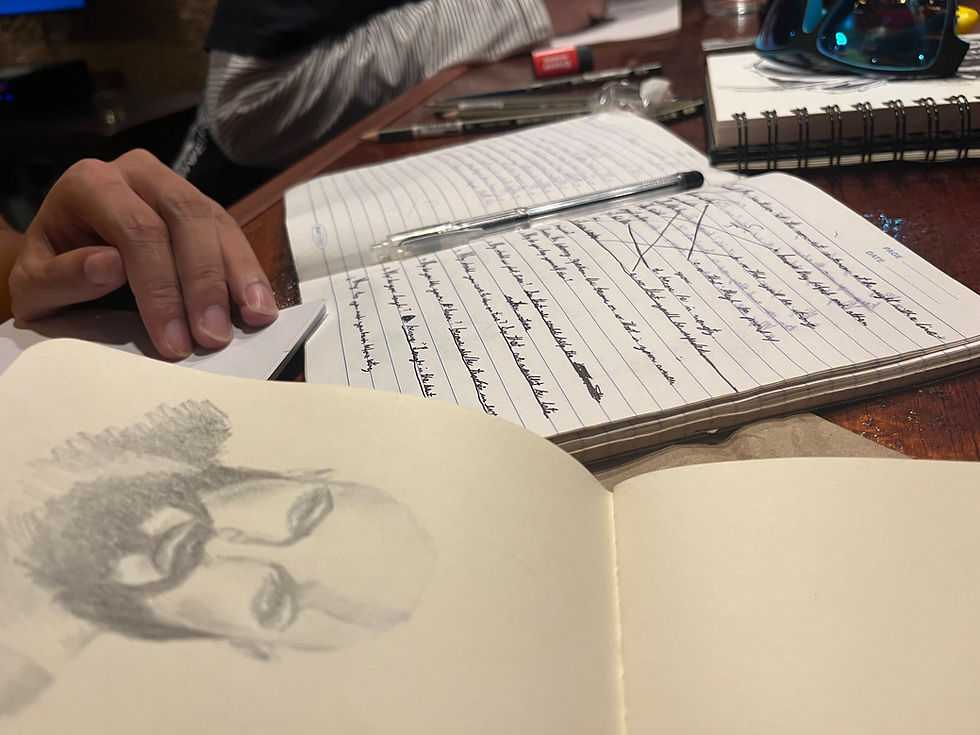
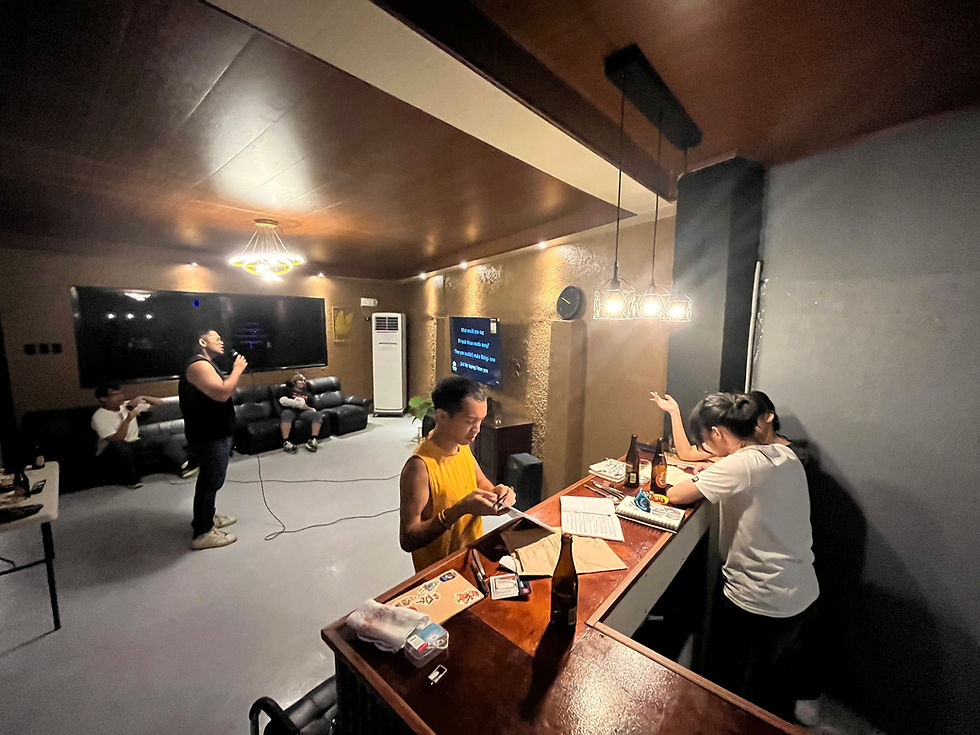
The night was filled with drawings, conversations, games, videoke, laughter, and the kind of stories that only happen when artists stop trying to be productive for a few hours.
By the time the night ended, I realized something important:
The best thing we created wasn't a drawing.
It was a community.

The Hidden Problem Most Artists Don't Talk About
Artists spend a lot of time alone.
More than most people realize.
We sit in front of screens.
Work through deadlines.
Handle revisions.
Meet client expectations.
Market ourselves online.
And then when the workday ends...
Many of us simply stay inside.
The irony is that we're constantly connected online but often disconnected in real life.
I know this feeling well.
As artists, we're naturally drawn toward solitude.
That's where the work happens.
That's where ideas are born.
That's where worlds like 'Zamora' are built.
But solitude has a dark side.
Too much of it creates isolation.
And isolation slowly drains creativity.
Not all at once.
Gradually.
The symptoms look familiar:
You lose motivation.
You overthink everything.
You feel disconnected from your work.
You forget why you started creating in the first place.
And because artists are often independent by nature, we mistake isolation for productivity.
They're not the same thing.
Emotion Commits the Crime — Logic Does the Cover Up
Most creative burnout doesn't start with logic.
It starts emotionally.
You feel exhausted.
You feel uninspired.
You feel disconnected.
Then logic shows up afterward to justify it.
"I just need to work harder."
"I need another course."
"I need better marketing."
"I need more clients."
Sometimes the solution isn't more work.
Sometimes the solution is more people.
Human beings are social creatures.
Even introverted artists.
We need conversations.
We need laughter.
We need shared experiences.
We need reminders that we're not building our creative lives alone.
The Creative Campfire
Last night helped me put a name to something I've been thinking about for years.
I call it:
The Creative Campfire
For thousands of years, people gathered around campfires.
Not because they needed productivity.
Not because they needed metrics.
Not because they needed optimization.
They gathered because stories, relationships, and communities are what make people feel alive.
Tagay felt like a modern version of that.
A Creative Campfire.
Artists sitting together.
Sharing experiences.
Passing ideas around.
Telling stories.
Laughing at ridiculous jokes.
Drawing nonsense sketches.
Singing badly on videoke.
And somehow leaving energized.
Not because we worked harder.
Because we connected.
The truth is that many creative breakthroughs don't happen in front of a screen.
They happen around people.

Why Community Matters More Than Ever
We're living in a strange time.
AI is changing industries.
Algorithms are changing how people discover art.
Competition is increasing.
Attention is becoming harder to earn.
In response, many artists retreat further inward.
But I believe the opposite is needed.
This is the era where communities become more valuable.
Because while technology can automate production...
It cannot automate belonging.
It cannot automate friendship.
It cannot automate shared experiences.
It cannot automate trust.
The artists who survive long-term won't simply be the most skilled.
They'll be the ones who build meaningful relationships around their work.
That's what Tagay reminded me.
How Artists Can Build Their Own Creative Community
If you're an artist feeling isolated, overwhelmed, or disconnected, here's what I've learned from years of working both alone and with creative groups.
1. Start Small
A community doesn't begin with hundreds of people.
It begins with three friends meeting consistently.
Don't overcomplicate it.
Gather.
Talk.
Create.
Repeat.
2. Remove the Agenda
Not every gathering needs a business objective.
Some of the best conversations happen when nobody is trying to sell anything.
Connection first.
Opportunities later.
3. Create a Recurring Tradition
The secret behind Tagay wasn't the event itself.
It was consistency.
People need something they can look forward to.
Community compounds the same way habits do.
4. Make Space for Imperfection
Not every drawing has to be portfolio-worthy.
Not every conversation has to be profound.
Some of the best moments happen when people simply relax and be themselves.
5. Build Relationships Before You Need Them
Many artists start networking when they need something.
The strongest communities are built long before anyone asks for help.
Trust grows through shared experiences.
Not transactions.
For Artists and Business Owners
If you're an artist:
Remember that creativity thrives in connection.
Isolation may create the work, but community often sustains the creator.
If you're a business owner or entrepreneur:
The same principle applies.
The strongest brands are communities before they're companies.
People stay because they feel like they belong.
Different worlds.
Same truth.
Humans crave connection.
Before vs After
Before
Working alone.
Scrolling online.
Feeling creatively drained.
Treating networking as a transaction.
Believing productivity was the answer.
After
Gathering with fellow artists.
Sharing stories and experiences.
Building genuine friendships.
Feeling creatively energized.
Remembering why creating is fun.
What Last Night Really Taught Me
Last night wasn't about drinks.
It wasn't about drawing.
It wasn't even about art.
It was about remembering something many of us forget.
Creative careers are marathons.
And marathons are easier when you're not running alone.
The drawings will eventually fade.
The sketches will be forgotten.
The deadlines will come and go.
But the friendships?
The laughter?
The stories?
Those are the things that stay.
That's why Tagay matters.
Not because it's productive.
But because it's human.
And in an increasingly digital world, that might be the most valuable thing of all.
Ask and You Shall Receive
Let me ask you something:
When was the last time you spent time with people who genuinely understand what you're trying to build?
Not online.
Not through comments.
Not through messages.
In person.
If it's been too long, maybe it's time to start your own Creative Campfire.
Gather a few friends.
Bring sketchbooks.
Bring stories.
Bring yourselves.
Because sometimes the best thing you can do for your creative career...
Is stop working for a night and connect with people who remind you why you started.
Subscribe to our newsletter:
Product Links:
#thescribblemedia #indiebasedstudio #animation #comics #webtoon #webcomics #services #platform #illustrationservices #computer #freelance #comicsandmanga #filipino #bisaya #bisdak #clipstudiopaint #clipstudio #clip #studio #ipadpro #tutorial #beginner #tips #videotips #newsletter #inspiration #art #creativedad #struggleofacreativedad #artistdad #artisticmomentum #creativehabits #buildingsystems #atomichabits #atomichabitsbyJamesClear


Comments